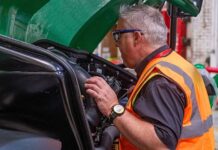

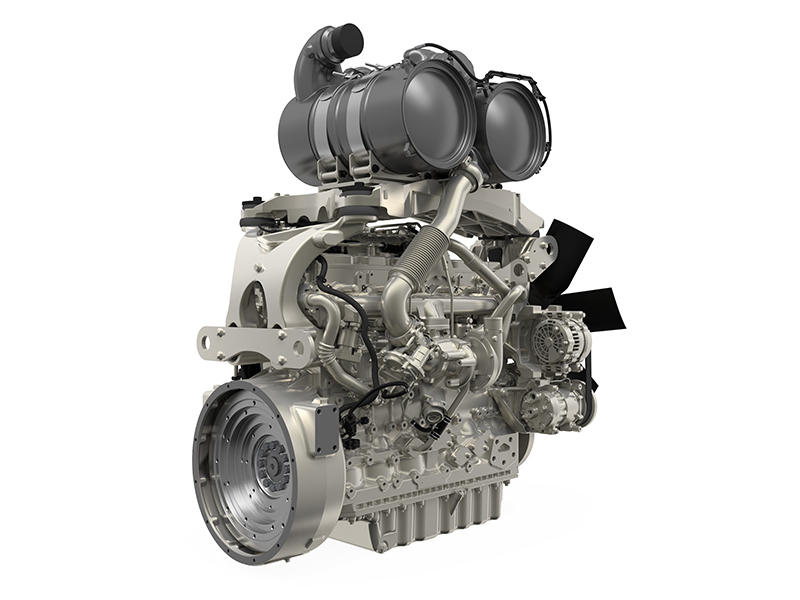
CHANGING machinery usage patterns across construction, rental and power generation applications are contributing to Stage V engine reliability issues, according to Perkins engine specialist DiPerk Power Solutions.
The company claims that many Stage V engines are spending long periods running at very low load, operating intermittently, or being repeatedly shut down before exhaust aftertreatment systems have reached the temperatures required to function effectively.
This can contribute to blocked diesel particulate filters (DPFs), interrupted regeneration cycles and unnecessary service intervention.
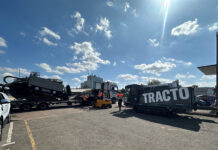
According to DiPerk, the issue is becoming increasingly common across construction applications, where changing site practices can result in machines operating differently to how they were originally specified.
“In many cases, the engine itself isn’t the issue,” said Gavin Lester, head of service at DiPerk Power Solutions. “What we’re increasingly seeing is a mismatch between modern Stage V engine technology and the way some machines are now being used on site.
“20 years ago, operators often wanted the biggest engine possible because it gave them confidence they had power in reserve. But Stage V engines behave differently. In some applications, a smaller engine working harder can actually perform more reliably than a larger engine spending most of its life lightly loaded.
“You sometimes see dumpers being used more like wheelbarrows, carrying material short distances before being unloaded manually rather than using the hydraulic tipping system, which means the engine is not working hard enough to maintain the temperatures needed for efficient regeneration.”
The company said repeated start-stop operation can further compound the issue. On some sites, machines may be switched off multiple times per hour to reduce unnecessary idling, preventing engines from maintaining the temperatures needed for passive DPF regeneration.
“You can end up in a difficult position operationally,” Gavin added. “The engine may need to remain running to complete a regeneration cycle, but site practices understandably discourage unnecessary idling. That means regeneration cycles can be interrupted repeatedly, increasing the likelihood of forced regeneration events and avoidable downtime.”
DiPerk revealed it has seen similar issues emerge where machinery consistently operates below intended load profiles for extended periods.
The challenge is said to be ‘particularly pronounced’ within rental fleets, where machines may operate across widely varying applications and duty cycles.
“Stage V was probably the biggest operational shift the diesel engine industry has seen in decades because the aftertreatment system became just as important as the engine itself,” Gavin said. “Operators now need to think not just about engine power, but about how equipment is actually being used.”